
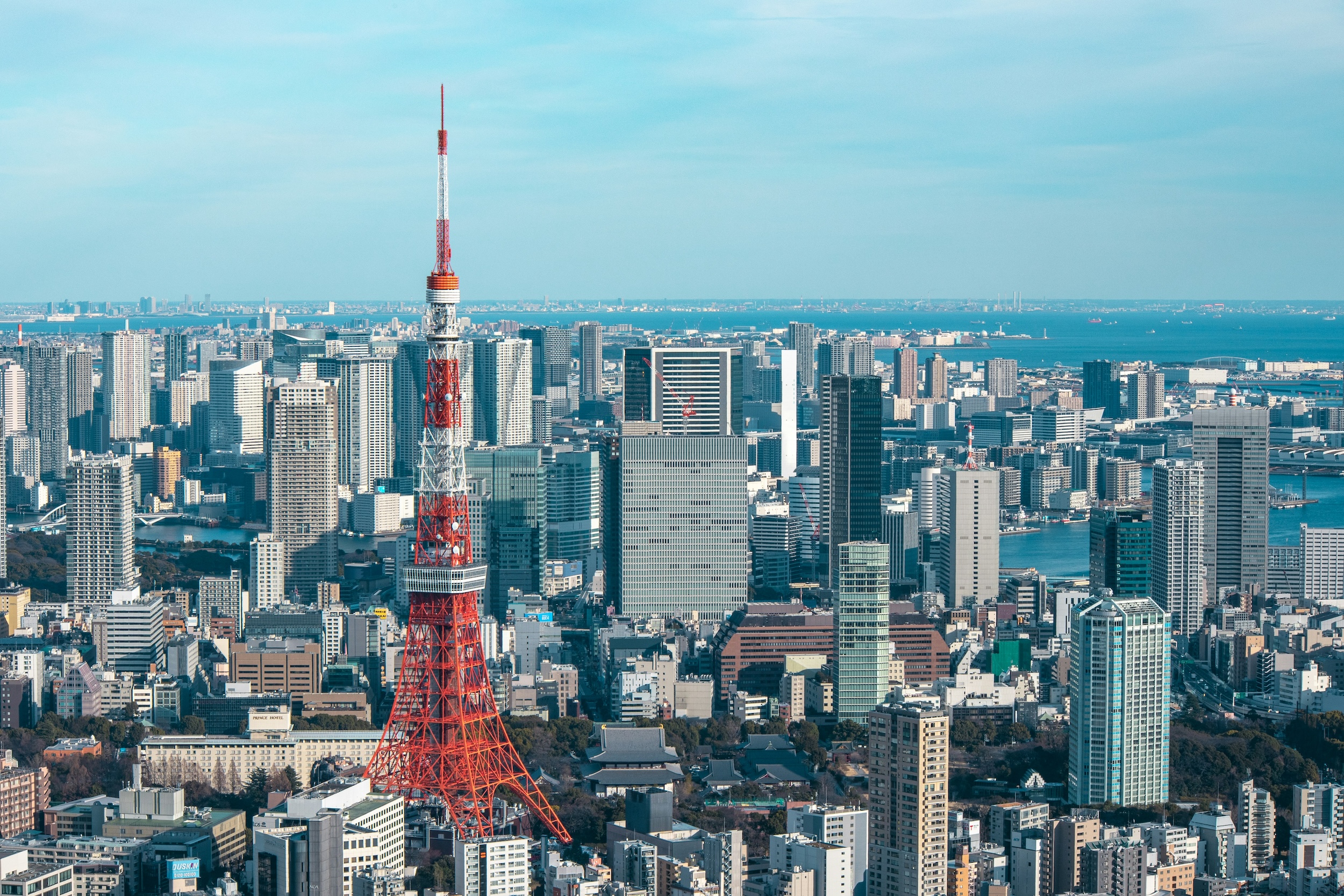
Chiyoda, Chuo,Minato, Shinjuku, and Shibuya make up what agents usually mean when they say“central Tokyo.” All five sit within a short commute of the Yamanote loop, allfive have low office and residential vacancy, and all five are considered safe,liquid markets by Japanese standards. But they are not interchangeable, and thedifferences matter more for an investor's return profile than most first-timebuyers expect. This guide walks through what distinguishes each ward and howthat should inform where you buy.
A noteon the figures: theprices and yields below reflect market conditions as of July 2026 and areaverages across a wide range of property types and ages — they will move withthe market and should be treated as a starting point for comparison, not aquote. Always confirm current pricing and yield expectations for a specificbuilding with your agent before making a decision.
Quick Comparison
Chiyoda: Stability Over Everything
Chiyoda ishome to the national government ministries, the Imperial Palace, and theMarunouchi–Otemachi corporate district — Japan's most concentrated cluster ofblue-chip headquarters — plus Akihabara at its northern edge. It has the leastresidential stock of the five wards relative to its commercial footprint, whichkeeps the tenant pool narrow but very stable: mostly single professionalsworking nearby, with limited exposure to the swings in demand that affect moremixed-use areas. This is reflected in the lowest volatility and vacancy risk ofany central ward. The tradeoff is a relatively low yield and less room fordramatic price appreciation — Chiyoda is the choice for investors prioritizingcapital preservation and low vacancy risk over growth.
Chuo: Liquidity and a Growing Supply of New Stock
Chuo coversGinza, Nihonbashi, and the waterfront redevelopment areas of Tsukishima andKachidoki. It has seen the heaviest pipeline of new high-rise residentialtowers among the five central wards, which means more modern stock, often withmore livable floor plans than the comparatively cramped older buildings typicalof Shinjuku or Shibuya. Because Chuo attracts both investors and genuineowner-occupiers — a rarer combination in central Tokyo — resale liquidity tendsto be higher than in wards where the buyer pool is almost entirely investors.Yields are generally a step above Chiyoda's, making Chuo a reasonable middleground between income and an achievable exit.
Minato: The Expatriate and Prestige Market
Minato —covering Azabu, Hiroo, Roppongi, and Toranomon — is the default address forTokyo's expatriate community, with the city's highest concentration ofembassies, international schools, and English-language services. It is alsowhere most of the current luxury development pipeline sits, includinglarge-scale projects like Azabudai Hills, and it recorded the largestresidential price increase of any ward in the year to January 2026.Multinational companies place a disproportionate share of their executive andcorporate housing here, which supports strong, English-speaking rental demandat a price premium — a 1LDK in Hiroo, for instance, commonly starts around¥200,000 per month. Foreign buyers reportedly account for a meaningfully highershare of luxury condo purchases in Minato than in most other wards. Yields onprime addresses are modest, in the 3–4% range, because pricing already reflectsstrong demand — this is a ward for investors prioritizing long-term capitalappreciation and prestige tenants over current income.
Shibuya: Redevelopment and the Youngest Tenant Base
Shibuyacombines Tokyo's most visible youth and creative culture with an aggressive,ongoing redevelopment program around the station — Shibuya Sakura Stage hasalready been absorbed almost entirely by IT and creative-industry tenants, withthe Shibuya Upper West project and Scramble Square Phase II scheduled throughthe end of the decade. It consistently records among the lowest vacancy ratesof the five wards. The tenant base skews younger and more tech/startup-orientedthan Minato's corporate-executive profile. As in Minato, yields are compressedby strong demand, and the case for Shibuya rests mainly on continuedredevelopment-driven appreciation rather than current cash flow.
Shinjuku: The Highest Yield, Lowest Entry Cost of the Five
Shinjuku isTokyo's busiest transit hub — JR, Tokyo Metro, Toei, and several private linesall converge here — and it draws the most diverse tenant base of the centralwards: students, young company employees, and a large share of foreign renters,alongside the Shinjuku and Kabukicho commercial districts and the quieterresidential pockets of Yotsuya and Takadanobaba. Average purchase prices sitmeaningfully below the other four wards, and rents run 30–40% lower thancomparable units in Minato, but that lower entry cost translates into thehighest typical yields of the group — often in the 4.5–5.5% range forwell-located units five to ten years old. Shinjuku is generally the pick forinvestors prioritizing income and a lower capital outlay over prestige ormaximum appreciation potential.
Matching the Ward to Your Strategy
• Chasing capital appreciation: Minato andShibuya, where redevelopment and sustained demand have driven the strongestrecent price growth, at the cost of lower current yield.
• Chasing rental income: Shinjuku andChuo, where yields are meaningfully higher and entry prices lower, particularlyfor units five to ten years old near a station.
• Minimizing vacancy risk: Chiyoda, wherethe tenant base is concentrated around stable corporate employment and vacancyhas historically stayed lowest.
• Prioritizing exit liquidity: Chuo, wherea mixed buyer pool of investors and owner-occupiers supports faster resale thanwards dominated almost entirely by investors.
Practical Takeaways
• Surface yield alone is a poor way to compare these wards — factor invacancy risk, tenant profile, and resale liquidity together, since alower-yield property in a stable ward can outperform a higher-yield propertythat sits vacant between tenants.
• Budget realistically: as a rough guide, ¥30–40 million typicallybuys a five-to-ten-year-old unit near a station in Shinjuku or Chuo with a4.5–5.5% yield, while ¥50–70 million is closer to the entry point for new ornear-new stock in Minato or Shibuya at 3–4%.
• If your target tenant is a corporate or expat renter, Minato'sinfrastructure of international schools and embassies is difficult for anyother ward to match; if your target tenant is price-sensitive and mobile(students, young professionals), Shinjuku's transit access does the same jobfor less.
• Redevelopment timelines matter for appreciation bets: Shibuya'smajor projects run through FY2031, so investors buying for redevelopment-drivenupside should have a holding period that matches, not a short-term flip.
None of thesefive wards is a poor choice by Tokyo standards — they are, collectively, thesafest and most liquid submarkets in the city. The right one depends on whetheryou are underwriting the investment for income, appreciation, or downsideprotection, and being honest about which of those three actually matters mostto you will narrow the choice faster than any single data point in the tableabove.